
Reviewed · 4-DAY EXPERIENCES
4 Days Central Mongolia-Amazing experiece
Central Mongolia has a way of feeling big fast. In just four days, you move from granite hills and campfires in Terelj National Park to the sand-dune stretches of Elsen Tasarkhai, then finish with history around Kharkhorum and calm bird life at Ugii Lake. It is a road-trip style adventure where the scenery changes often, and the day structure keeps you from feeling rushed.
Two things I really like: the plan mixes big sights with hands-on moments, like camel and horse riding and a softer trek through meadows. Also, the experience is guided by an English-speaking guide/cook, and the driving is part of the comfort factor since you are covering real distances in a 4WD.
One possible drawback to consider: this is not a polished city hotel tour. You are sleeping in ger camps and sometimes tents, with meals that are solid but not “fine dining,” so you should be comfortable with basic, out-there travel.
Key highlights worth marking on your mental map
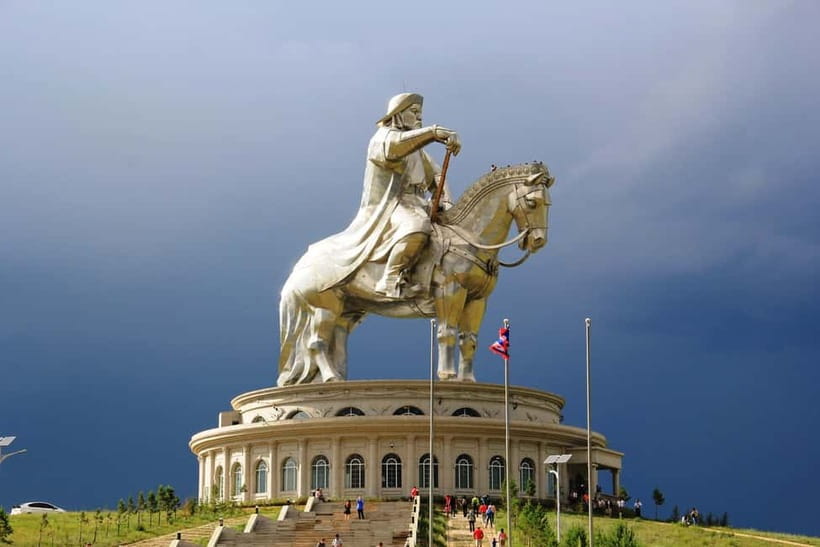
- Genghis Khan Statue Complex and Terelj National Park in one guided day
- Ovoo stone rituals, Turtle Rock, and soft trekking on meadow paths
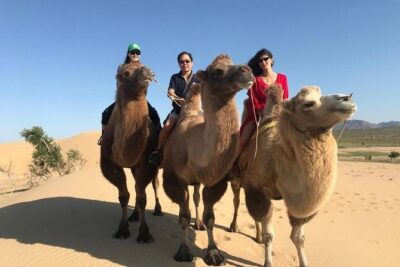
- Elsen Tasarkhai camel rides in a dune area described as long and wide, with rare bushes and small forest patches nearby
- Kharkhorum history tied to the 13th-century Mongol Empire and later religious sites
- Ugii Lake by birds and fish, with time for a lakeside stop
- Hustai or Khustain Nuruu National Park on the return leg to Ulaanbaatar
Terelj and the giant Chinggis Khan statue: your first day in Mongolia gets right to it
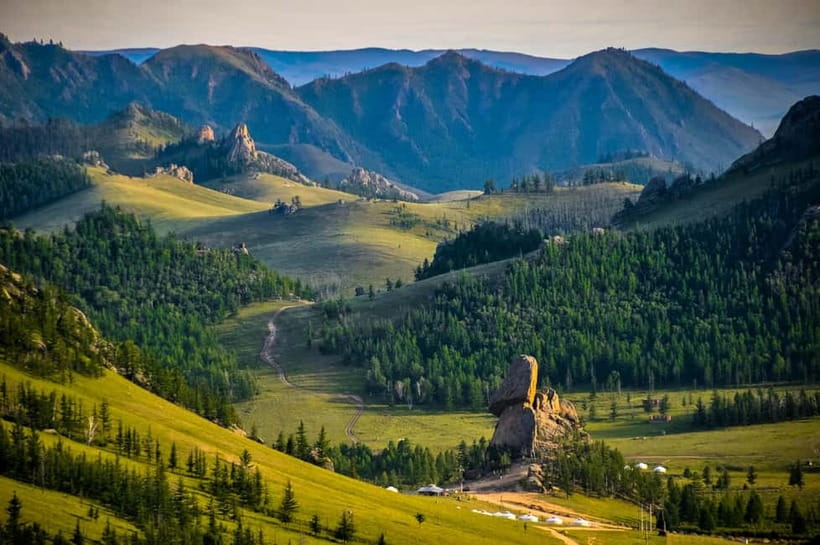
The best thing about this start is that it throws you into Mongolia themes immediately. After pickup in Ulaanbaatar, you head toward Terelj National Park, a one-way drive of about 75 km. On the way, you stop at Ovoo, a stone pile set for the god of nature and the blue sky. It is a small moment, but it helps you understand why people treat the outdoors as sacred, not just scenic.
Then you get your first set of classic Terelj sights. You walk through granite rocky hills and spend time in protected-area viewpoints. Turtle Rock is on the route, and you are also set up for a softer trek on a green meadow, followed by hiking toward nearby hills and exploring green valleys. This is the part of the day that tends to feel like a breathing pause. You are not just sitting in a vehicle watching Mongolia go by, you are stepping into the shapes and colors of the place.
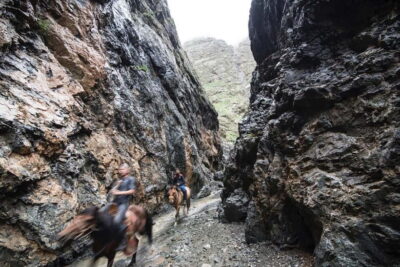
I like how the day includes both walking and animal time. You can add horse trekking in the surrounding areas, which fits the overall rhythm of Central Mongolia travel, practical and traditional. And because so much of the trip is “out there,” this first day gives you a strong mix without requiring super technical hiking skills.
The other highlight on Day 1 is the Chinggis Khaan statue stop at the statue complex. The route includes a guided visit there for about two hours. The complex is part of the story of Mongolian identity, and the statue itself is a visual anchor for the rest of your journey. Later days lean toward history and nature, but this early moment sets the tone: big ideas, big land, and a strong cultural lens.
That day ends in a traditional ger camp for an overnight stay. You get lunch and dinner, and the camp format matters because it teaches you how daily life can be structured without modern buildings. If you have never stayed in a ger before, it is worth going in with relaxed expectations. Think cozy, warm when the camp is managing heat well, and focused on sharing time rather than comfort-peak amenities.
Practical note: pack change of clothes. Not fancy gear, just layers you can wear on dusty roads and then dry out or change before the evening meal.
More multi-day Mongolia routes:
- 7 days Central Mongolia and Great Gobi
★ 4.5 · 7 reviews - 7-Days Central Mongolia Tour and Ancient city in Kharkhorin
★ 4.5 · 5 reviews
Day 1 route flow: Ovoo, Turtle Rock, meadow trekking, and horse time
What makes the Day 1 mix work is that it keeps your energy in check. You get a spiritual stop (Ovoo), then scenery and walking (granite hills, Turtle Rock, meadow trek), then optional physical add-ons (hills and horse trekking). It is not just sightseeing, it is pacing. You arrive early enough to enjoy daylight on the trails, and you do enough movement that the ger night feels earned.
Also, the stop order is efficient. Terelj National Park is the main draw, but the ride to it does not waste time. If you like tours where the car hours are “useful,” this format is a win.
Drawback to plan around: because it is a packed day, if you are very sensitive to walking time or weather changes, you should be ready to adjust at the moment. The itinerary includes trekking and hiking, so you might not have a lot of spare downtime until camp.
Elsen Tasarkhai: camel riding across the dunes and living like a nomad for a night
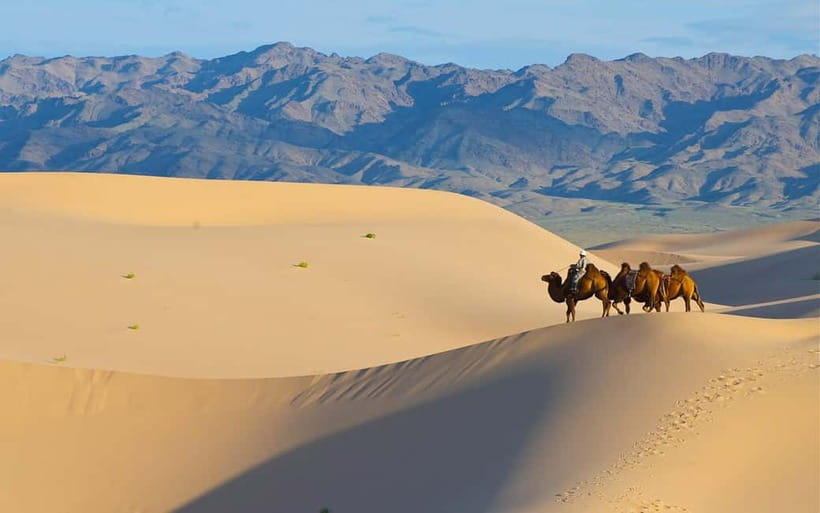
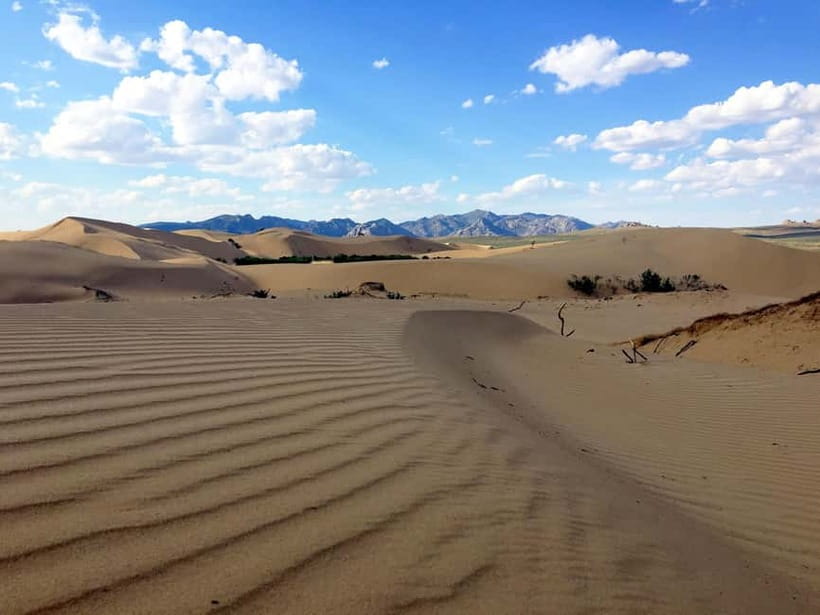
Day 2 is when the trip clearly shifts gears. You drive from Terelj toward Elsen Tasarkhai, described as part of the Mongol Els sand dunes. The area is said to stretch about 80 km long and around 5 km wide across soums in Uvurkhangai province. You also get useful orientation about where you are in Mongolia: it sits about 280 km west of Ulaanbaatar and around 80 km east of Karakorum, the ancient Mongolian capital.
This is where you should expect “Gobi-type” scenery elements: sand dunes, hills with rare bushes, and even a small forest near a river. The point is not that it is one single dramatic view, it is that the variety is all in one place. Dunes meet other terrain types, so your eyes stay busy all day even when you are not walking.
You also get the signature activity: camel riding around the sand dunes. It is the kind of experience you remember because it changes how the land feels. Camel time is slower and more rhythmic than vehicle travel. You stop looking at the dunes as distant and start feeling how they stretch and shift around you.
Horse riding appears as part of Day 1, but camel time is the clear Day 2 focus. If you are choosing what to do, and you want the most “this only happens here” moment, the camel ride is where I would put your attention.
Overnight on Day 2 is another traditional ger stay. Meals are included across the day (breakfast, lunch, dinner). There is also an optional element you can join if you want: nomad work like making milk products. The trip does not promise a full workshop schedule, but it does signal that you might have the chance to watch and participate in daily nomad tasks.
This is where the tour feels most authentic, in a practical sense. You are not only visiting a place, you are spending the night in the lifestyle setup that matches the environment. The accommodations will feel basic compared to home, but they are aligned with the whole point of Central Mongolia travel.
Potential consideration: the overnight experience is about location and authenticity, not luxury. If you want lots of modern comforts, you might find the camping setting a bit challenging. The same “out of civilization” feeling can be exciting, or it can feel like a lot, depending on your temperament.
Day 2 details that matter: timing, motion, and what the dunes teach you
The biggest “Day 2 value” is that you go beyond the photo stop. A drive gives you context, but riding animals on the dunes gives you context in your body. You learn quickly that dunes are not just one big hill. They have textures and angles, and your ride path keeps changing the view.
If you are prone to feeling carsick, tell your guide or prepare with simple measures. This is a long land-based day, and even good driving on uneven ground can feel bumpy. The tour does include a driver experienced in safe travel, and recent feedback praises that approach, but you still should go into the dunes day expecting motion.
More days out of Ulaanbaatar to weigh
- 4 Day Best of Central Mongolia tour, Chinggis Khan statue
★ 4.8 · 21 reviews - 4 Days Tour: Central Mongolia
★ 5.0 · 13 reviews - 4 Days-The Best of Mongolia Collection tour
★ 5.0 · 8 reviews - Bus tour to visit Gobi 4 day
★ 4.9 · 7 reviews
Kharkhorum and Ugii Lake: history on the Orkhon River and a slower lakeside finish
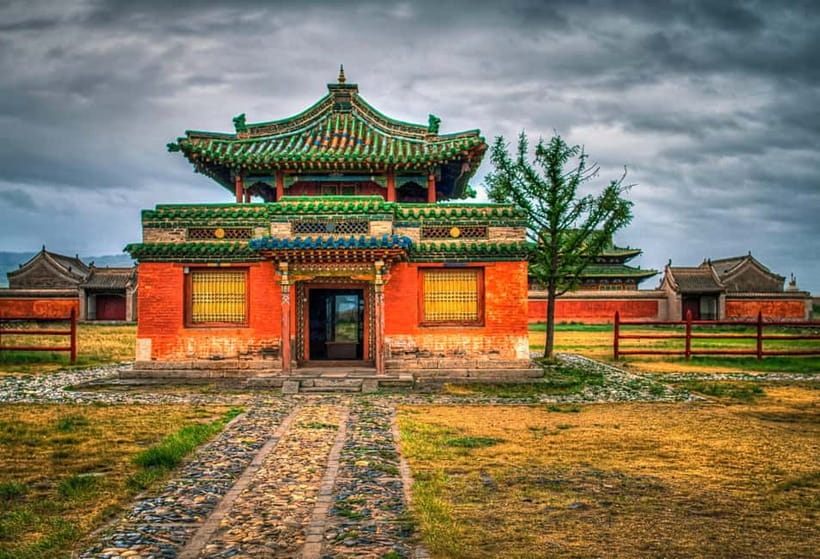
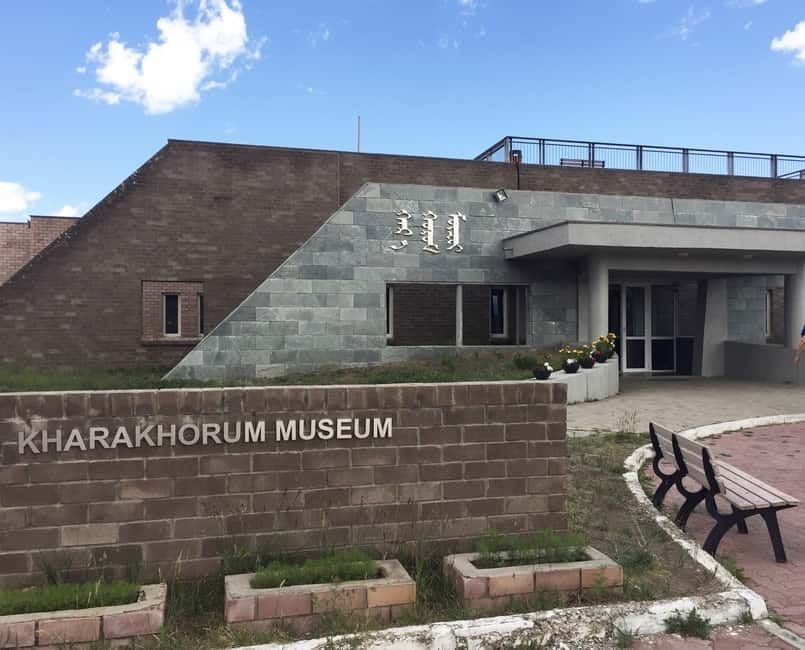
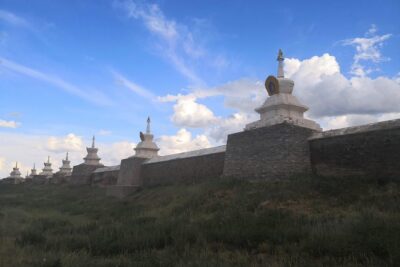
Day 3 starts with Kharkhorum, the site tied to Karakorum, the capital of the Great Mongolia Empire in the 13th century. You are on the right bank of the Orkhon River here, and the timing matters: the city was destroyed in 1380, and later, about two centuries after that, another yurt rose on the same site, connected to Avtai Khan, the founder of the Erdene Zuu Monastery.
The tour gives you a guided block of sightseeing in Kharkhorum for about five hours. That is long enough to actually understand what you are looking at, rather than just pass by names and dates. If you like context, this is one of the days that helps history become physical.
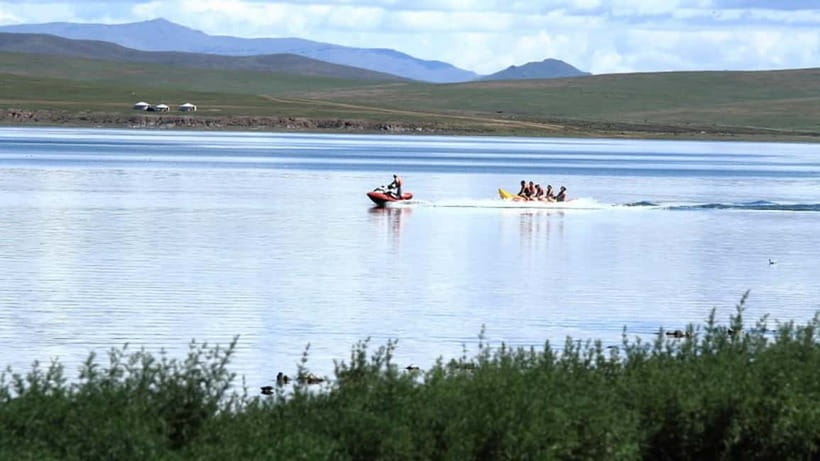
After the history stops, you continue driving to Ugii Lake. Ugii Lake sits at an elevation of about 1,337 meters above sea level. The lake is described as 25.7 square km, with an average depth around 6.6 meters. It is also tied to birds and fish, so the lakeside time is not just visual, it is about wildlife atmosphere too.
Overnight is another “out there” style stay, either tent or ger camp, with breakfast, lunch, and dinner included.
Why this day is valuable, even if you are not a history super-fan: it balances effort and quiet. Day 2 is animal time and dunes. Day 3 is history first, then a calmer waterside feel. That contrast makes the whole trip feel like a journey, not a checklist.
One realistic drawback to plan for: you are still spending time on roads. Even with a guided history stop, the driving days are part of the deal in Mongolia. If you hate long transfers, this may not be your preferred pace. If you can tolerate it, you will likely enjoy the sense of moving across real distances, not just shuttling between viewpoints.
Day 3 in practice: switching from empire stories to birdlife calm
You can think of Day 3 as two modes. The first mode is structured, guided sightseeing in Kharkhorum. The second mode is nature time at Ugii Lake. If you like guided explanations, you will appreciate the bigger block of guided time at Kharkhorum.
At Ugii Lake, the tour gives you a guided session of about three hours. That is enough for a proper look, photos, and time to enjoy the air without turning the lake stop into a rushed “next, next, next.”
Hustai or Khustain Nuruu on the way back: the steppe finale before Ulaanbaatar
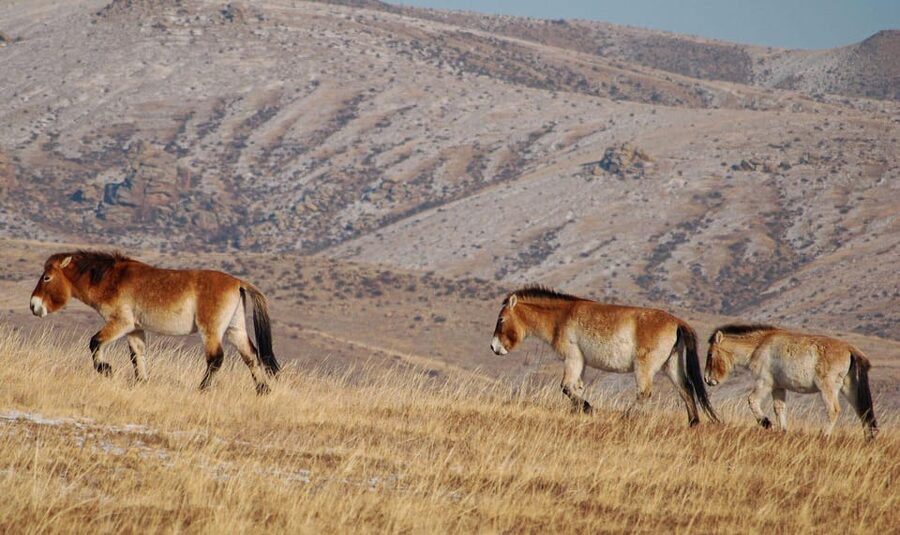
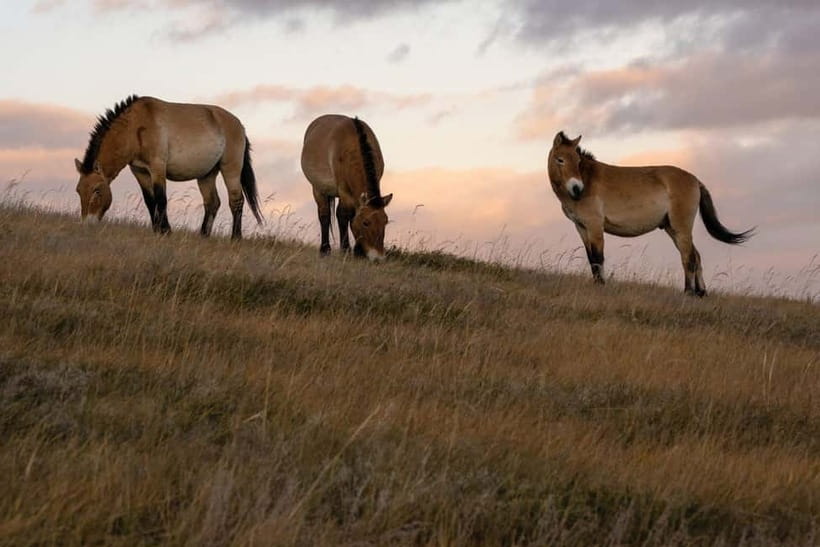
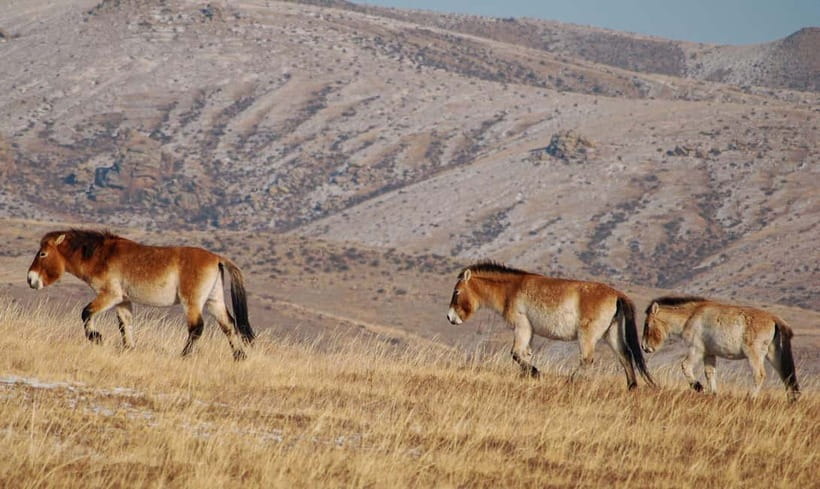
Your final day is the return to Ulaanbaatar, with a key stop along the way. The itinerary lists a guided day at Khustain Nuruu National Park for about eight hours, and it also mentions a visit to Hustai National Park on the road back. Either way, the purpose of the stop is a classic Mongolian road-trip finale: steppe nature and a chance to see the kind of wildlife-focused park experience that fits Central Mongolia.
This is the day where the trip can feel like it is “wrapping your head around Mongolia.” After statues, dunes, and a historical city site, you close with a nature park stop before the city pickup drop-off.
You have breakfast and lunch included on this travel back leg.
If you want a clear decision rule: if you enjoy nature stops and wildlife-oriented areas, you will probably love this wrap-up. If your priorities are more cultural history and less park time, this might be the least attention-grabbing day. It is still a useful add because it gives the trip a full circle feel: culture, empire sites, then nature.
The guide and 4WD setup: why safety and explanations make or break this kind of trip
This tour runs with a driver plus a 4WD vehicle and includes petrol. That matters because much of the value in Mongolian land travel is tied to who is behind the wheel. The road surfaces and route types can be unpredictable, and you want someone who can handle off-road driving smoothly.
Recent firsthand feedback highlights a guide named Taisun and a driver named Tumuro, with praise for clear English and safe, careful driving, even off-road and without hesitations. That is not a small detail. When the vehicle is doing long stretches, the guide’s ability to explain what you are seeing turns time in motion into something meaningful.
The tour is also set as a private group. That usually means fewer compromises about pace, and you are more likely to get questions answered without feeling like you are interrupting a group machine.
Languages offered are English, Korean, and Japanese, and the tour includes an English-speaking guide/cook. If you are English-speaking, you are likely to get a smooth flow of explanations and meal support. If you are traveling with someone who prefers Korean or Japanese, this is also helpful.
Food, ger camps, tents, and what to expect from the included meals
Meals are included as displayed in the itinerary: lunch and dinner on Day 1, breakfast plus lunch plus dinner on Day 2, breakfast plus lunch plus dinner on Day 3, and breakfast plus lunch on Day 4. The reviews describe Mongolian food as great, and they also note that accommodation and food options are decent, with expectations that this is not a five-star hotel standard.
Here is how to translate that into your planning: you should expect hearty, practical meals that keep you going on hiking and riding days. You should also expect that “comfort” means warmth, routine, and a place to rest, not luxury finishes.
Bottled pure water is provided every day. That is a small included item, but it helps on a multi-day trek where you might not want to manage water logistics.
Camping equipment is included too. That matters because it reduces what you need to bring, especially if you are traveling light.
What to bring is simple: change of clothes. If you want to go a step further, pack layers and plan for dusty conditions, but the tour only explicitly asks for change of clothes, so keep it within that scope unless you have your own experience needs.
Horse and camel riding: fun, but plan for basic realities
Riding experiences are included: horse trekking and camel rides. That is a big part of why this tour feels active rather than purely observational.
Still, it is wise to treat riding as physical. Even if you are not an athlete, you will likely feel it the next day, especially if you are not used to saddles and long sit time. If you have any mobility limitations, you should ask the operator in advance what options look like.
Also, the tour has a safety and comfort boundary in the “not suitable” guidance: people over 95 years old are not suitable. That is the only age limit stated, but it signals that this program assumes a certain level of ability to handle travel time and outdoor conditions.
Price and value: is $855 per person fair for four days of Central Mongolia?
At $855 per person for four days, you are paying for much more than entry tickets. The package bundles:
- transportation in a 4WD with driver and petrol
- accommodations in ger camps and possibly tents
- English-speaking guide/cook
- all meals listed in the itinerary
- bottled pure water daily
- national park and museum entrance fees
- camping equipment
- horse and camel rides
- visa support and an invitation letter if needed
To judge value, focus on the parts that are hardest to DIY. Long-distance driving across varied terrain, bringing camping equipment, arranging animal rides responsibly, and getting a guided explanation in English are not easy to replicate without local logistics. When all of that is bundled, $855 starts to look more like “a package that removes daily planning friction” than just a sight-seeing fee.
That said, it is still not a bargain for everyone if you compare it to shorter, hotel-based tours. If you only want comfortable beds and minimal travel, you will feel the tradeoffs. But if you want a real Central Mongolia taste with real overland movement and included animal experiences, this price-to-included-activities ratio is fairly strong.
A day-by-day reality check: what you’ll actually be doing
Here is what each day is likely to feel like in your body and schedule.
Day 1: an active introduction day. Ovoo stop, Terelj park walk time, Turtle Rock and hills, plus the Chinggis Khan statue complex and a ger camp night. You will likely do several hours of guided walking or hiking.
Day 2: movement plus animal riding. You head to Elsen Tasarkhai, then do camel riding in the dunes, then sleep in a ger. You might also have the chance to join simple nomad tasks related to milk products.
Day 3: structured history first, then calm nature. Kharkhorum guided sightseeing for several hours, then Ugii Lake with a guided lakeside session, then tent or ger overnight.
Day 4: return with a park finale. You drive back toward Ulaanbaatar and spend time in Hustai or Khustain Nuruu National Park, then finish with breakfast and lunch on the road.
If you like rhythm changes, this schedule is good. If you want fewer driving hours, it might feel like you are always in transit. The trip style is definitely overland and outdoors-first.
Who should book this tour, and who might not love it
This fits best if you want:
- an authentic nomad-style accommodation experience in ger camps
- a mix of cultural stops (Ovoo, Chinggis Khan statue, Kharkhorum) and hands-on nature time
- animal rides (camel and horse) that are part of the travel story, not an add-on
- guided explanations in English, Korean, or Japanese
You might hesitate if:
- you need hotel-level comfort or expect five-star standards
- you dislike long overland driving days
- you struggle with walking or hiking, since trekking and hiking are included on Day 1 and riding days involve extended sitting
One more small but important note: the tour explicitly says alcohol and drugs are not allowed. So plan your evenings accordingly, and keep the focus on the outdoor setting.
Tips so your trip feels smooth from day one
A few common-sense tips that fit what the tour asks for and what the experience implies:
- Bring a simple change of clothes for camp days.
- Wear layers for walking and riding, since mountain and steppe weather can shift.
- Keep expectations realistic about accommodation. Ger camps and tents are part of the “point,” not a downgrade surprise.
- If you care about history, ask your guide questions during the Kharkhorum segment. The guided time there is long enough to make those stories click.
- For the dune day, be mentally ready for sand, movement, and a slower pace while riding.
And if you get lucky with the guide team, look out for the kind of explanation style praised in feedback, like Taisun’s English and the careful driving style noted with Tumuro. That combo turns the trip from scenic to truly satisfying.
Should you book this Central Mongolia tour or not?
Book it if you want a four-day sampler that actually covers the heart of Central Mongolia: Terelj’s granite hills and Turtle Rock, the scale-implied drama of the Chinggis Khan statue, dunes with camel riding at Elsen Tasarkhai, history around Kharkhorum, then a lakeside finish at Ugii Lake and a nature park stop on the return.
Skip it or ask more questions first if you need five-star beds, minimal driving, or you are not comfortable with basic outdoor sleeping setups.
If you are the type who likes “do it, don’t just look at it,” this is the kind of tour that makes Mongolia feel real fast. The value is strongest when you lean into the structure: guided stops, included animal rides, and the overnight rhythm that goes with the land.
Latest reviews from Ulaanbaatar
- A Day Aglag Buteel Temple★ 4.5 · 3 reviews
- Nomad Family Home Stay in Arkhangai Province★ 5.0 · 3 reviews
- Private – Ulaanbaatar City Tour★ 3.5 · 3 reviews
- Transfer service to Terelj national park★ 5.0 · 3 reviews
- Private Tandem Paragliding Experience at Bayanzurkh Mountain★ 5.0 · 3 reviews
- Essence of Mongolia 5 Days★ 5.0 · 3 reviews
- A Day Authentic Mongolian Trip near Ulaanbaatar all-inclusive★ 5.0 · 3 reviews
- Private and Guided City Tour in Mongolia★ 4.5 · 3 reviews
4-Day Experiences, compared.
4 Day Best of Central Mongolia tour, Chinggis Khan statue
Read our review →
Mini Gobi and the ancient capital Kharkhorin – 4 days
Read our review →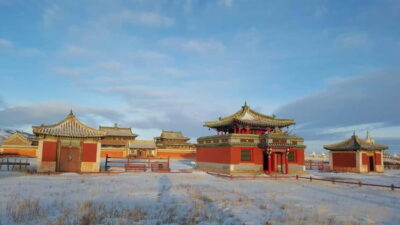
Browse the lists this tour appears in