
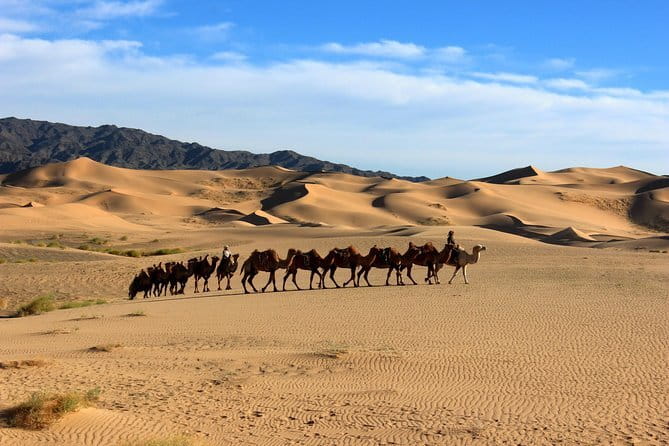
Reviewed · GOBI DESERT TOURS
Gobi desert Mongolia for 8 days
The Gobi Desert version of Mongolia feels different from the usual steppe-and-city trips. This 8-day journey is built around long overland drives in a 4WD vehicle, big rock formations, dune days, and nights in gers, so you see the change in the terrain, not just the photos.
I really like two things about this tour. First, the planning support is strong, with staff like Jigden described as patient and helpful during the booking process. Second, you get practical comfort baked in, with an English-speaking guide/cook, daily meals, and drinking water included so you can focus on the scenery and the nomadic rhythm.
One consideration: the trip asks for strong physical fitness. The dune days and hikes can be tiring, and the long road stretches mean you should be comfortable with “real travel days,” not a sit-in-a-car-light itinerary.
Key Highlights You Should Know Before You Go
- Baga Gazariin Chuluu ruins and eerie granite scenery to start the trip with something distinct
- Tsagaan Suvarga’s steep cliff face and wide, sheer slope views in Dundgobi
- Yoliin Am in Gobi Gurvansaikhan National Park, a protected area with dramatic rock country
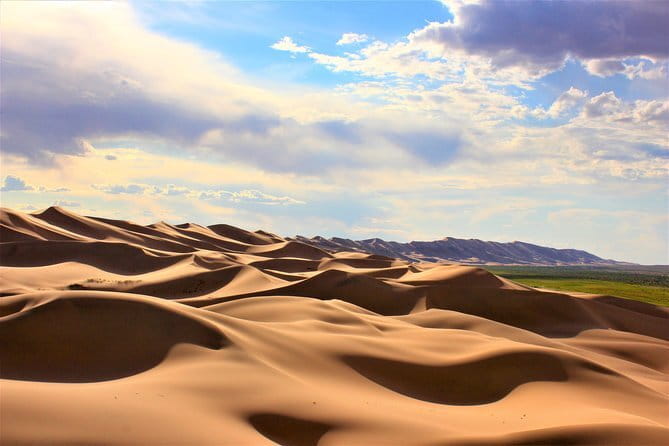
- Khongoryn Els singing dunes, plus a cold water spring in the dune zone
- Bayan-Zag (Flaming Cliffs) with a ger night and saxaul shrub country
- Small-group feel (max 12) with an English-speaking guide/cook and all meals handled
Day One to Day Three: Granite Ruins, Sheer Cliffs, and Protected Desert Country
Your trip starts in Ulaanbaatar at 8:00 am, meeting at the UB City Government area. From there, you’re in for the Gobi’s main ingredient, time on the road. In Mongolia, the best moments often happen because you’re not rushing. The overland drive is part of the experience, not dead time, especially as the terrain gradually changes and the sky gets bigger.
On the first day, you head to Baga Gazariin Chuluu, a granite stone mountain site in Dundgobi. The height, about 1,768 meters, matters because it gives you those “how is this real?” angles of rock and shadow. It’s a good first stop because it tells you what the Gobi does well: sharp geology, quiet scale, and photo-friendly forms that don’t look like anywhere else.
Day two brings you to Tsagaan Suvarga, described as a sheer slope cliff with an east-facing face roughly 30 meters high and about 100 meters wide. That kind of size is hard to feel from a road map. Up close, you understand why people treat this as a signature Gobi view, where the cliff is the landmark and the surrounding desert stays simple so your eyes go straight to it.
Then day three shifts into a protected area, Yoliin Am in the Gobi Gurvansaikhan National Park region. You’ll spend time in a strictly protected zone, with mountains that are among the highest in the Gobi Desert and rocky scenery that feels jagged and sculpted. The “protected” part isn’t just a label. It usually means fewer interruptions, less human clutter, and a better sense that you’re moving through a conservation-minded landscape.
Practical note: these days are about driving plus sightseeing, so pack for dust and sun, not just sightseeing clothes. You’ll feel the Gobi in your skin before you even reach the dunes.
More Gobi Desert expeditions:
- Ulaanbaatar: Semi-Gobi Desert Day Trip & Camel Ride
★ 4.0 · 92 reviews - From Ulaanbaatar: Semi Gobi, Nomads, Ancient Kharkhorin Tour
★ 4.6 · 84 reviews - 1 Day Semi-Gobi All-included tour
★ 4.0 · 69 reviews
Khongoryn Els: When the Dunes Turn Into an Event
After the cliff-and-rock days, you reach the famous dune zone: Khongoryn Els. This is one of those Mongolia stops that people remember because it changes the whole pace. On this day, you drive in toward the dunes, roughly 195 kilometers, and once you’re there, the world becomes sand, wind, and open sky.
Khongoryn Els is known for some of the larger and most spectacular dunes in Mongolia, and your time there is built around more than one quick view. You’ll get sweeping dune perspectives and, importantly, the itinerary includes a cold water spring near the dune area. That detail matters because you’re not just staring at sand. You’re interacting with a feature that affects how people survive and move in these regions.
What I like about this stop for you as a reader is the mix of “big visual payoff” and “useful reality.” The dunes can feel abstract in a picture. Up close, they have texture, sound, and real logistics. You’ll notice how quickly the environment changes with wind and how shade becomes a resource.
Also, dune country is where small decisions matter. The right footwear and breathable layers will make your day better, because you’ll likely be walking over shifting sand and spending time outside for long stretches.
Singing Dunes Day: The Hike, the Sound, and Why It’s Worth the Effort
Day five is the classic dune day: you hike and climb to the top of the biggest dunes at Khongoryn Els. There’s an oasis near the Khongor creek at the northern edge of the dune zone, and that kind of reference point is helpful, because it gives the day a direction. The Gobi isn’t always easy to “read,” so landmarks help you understand what you’re seeing as the day unfolds.
This is also where the nickname comes in. The dunes can make sound like plane engines in windy conditions, which is why they’re called Singing Dunes. Even if you don’t get wind at the exact moment you imagine, you’ll still experience the underlying phenomenon. Wind plus sand equals sound, and that’s part of what makes this stop feel alive.
Here’s why this matters beyond entertainment: dune hikes teach you how to move in sand without burning out. You’ll learn to take shorter steps, keep your balance, and pace your effort. If you’ve ever tried to rush on sand and felt your legs go, you’ll appreciate doing it with a group and a guide who keeps things grounded.
And this is also the day where you’ll feel the real value of having meals and water handled by the tour. You’re dealing with heat, wind, and effort, so not thinking about logistics is a gift.
Horse riding is included on this tour, though the exact day for it isn’t pinned down in the details you provided. Either way, keep an open mind. Gobi travel often mixes walking and riding depending on conditions, and your guide/cook will manage that.
Bayan-Zag and Flaming Cliffs: Ger Night With a Real Sense of Place
On day six, you drive toward Bayan-Zag (about 150 kilometers). This is the place many people connect to the term Flaming Cliffs, named for the striking coloring associated with this area. The tour name language also points to saxaul shrubs, with Bayan-Zag meaning rich in saxaul shrubs. That’s more than trivia. It signals the ecosystem here, and you’ll likely see how the vegetation shapes what the desert looks like up close.
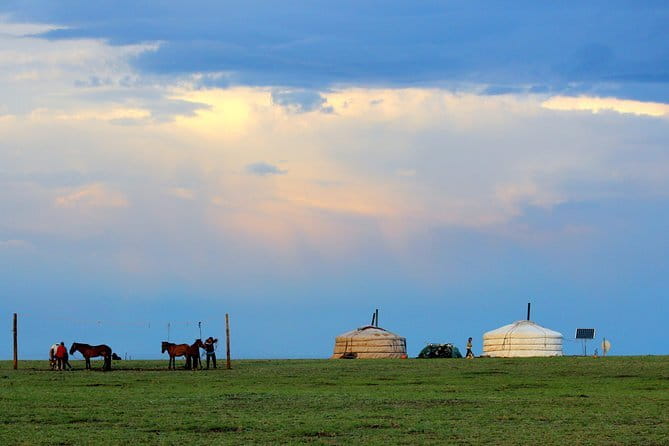
The biggest perk of Bayan-Zag for most travelers is that it combines a dramatic sight with a genuine overnight. You spend the night in a ger. Sleeping in a ger in this setting changes how you experience the place. Instead of thinking about the desert as scenery you pass through, you start thinking of it as an environment people live in.
A ger night isn’t just a photo stop. It’s the practical side of nomadic life: warmth, routine, and quiet. It also gives you a chance to slow down after a couple of driving-heavy days. The desert gets darker and calmer, and you’ll feel why “space” is part of Mongolia’s magic.
If you’re someone who likes authentic touches but still wants comfort, this is a strong mid-trip payoff. You get the sense of “we’re really here” without turning the trip into a survival test.
More days out of Ulaanbaatar to weigh
- From Ulaanbaatar: Genghis Khan Statue NationalPark CamelRide
★ 4.8 · 353 reviews - Genghis Khan Statue Day Tour+National Park+Camel Ride+Eagle
★ 4.5 · 261 reviews - From Ulaanbaatar: Central Mongolia Guided 3-Day Tour
★ 4.6 · 186 reviews - Ulaanbaatar: Small Group 3-Day Best of Central Mongolia Tour
★ 4.1 · 171 reviews
Erdenedalai Village Ger Night: A Softer Ending Than You’d Expect
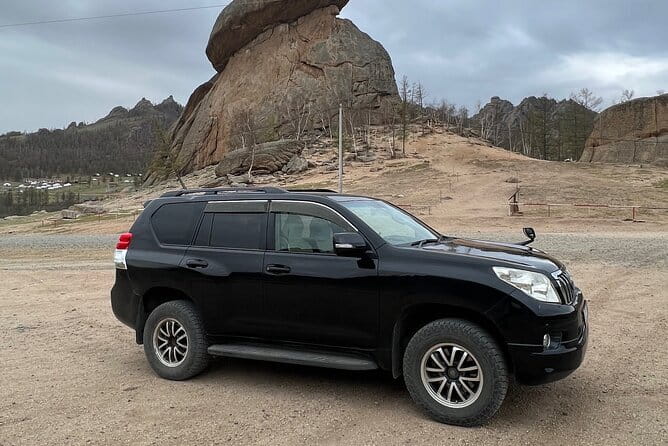
Day seven takes you to Erdenedalai village, and again you’ll sleep in a ger. A village stop like this can feel simple on paper, but it’s often where the trip becomes personal. You’re not just watching deserts and cliffs, you’re seeing how people structure their lives in a region that is tough to farm and tough to predict.
Staying overnight means you’re there during the slower hours when conversations and daily chores usually happen. Even if your guide keeps things practical, the setting creates a natural rhythm: eat, rest, and then experience the mood of the area after the heat of the day.
This is also a smart way to avoid ending the trip too abruptly. Many desert tours finish with one last viewpoint and send you back tired. Here, the ger night gives you a bridge between “big sightseeing” and “back to Ulaanbaatar.”
When you’re ready, day eight brings you back to Ulaanbaatar, ending at the meeting point again. That return matters. Getting dropped back where you started reduces stress, especially if you have onward flights or city plans.
Price and Value: What $3,100 Really Buys You
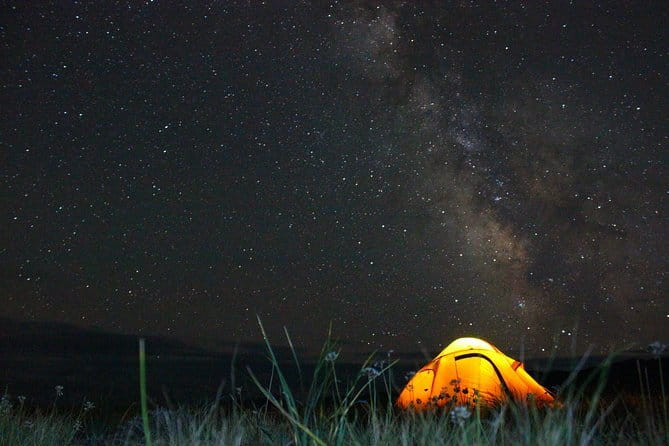
At $3,100 per person for about 8 days, this tour sits in a mid-to-higher range. That price is tied to the reality of Gobi travel: long drives, 4WD transportation, and fewer “shortcut” options. You’re not just paying for scenery, you’re paying for access to remote areas.
What makes the price feel more reasonable is what’s included. You get:
- driver, 4WD vehicle, and gas
- an English-speaking tour guide/cook
- all meals (breakfast, lunch, dinner each day, as listed)
- national park entrance fee tied to the protected area stop
- 1.5 liters of drinking water per person per day
- accommodations in gers as mentioned in the trip plan
- horse riding (included)
The biggest money leak on many similar trips is that travelers end up paying for separate meals, park fees, and transfers. Here, those basics are handled. That means your planning gets easier, and your day-to-day experience is more predictable.
What’s not included is also important. Accommodation in Ulaanbaatar is not included, and you’ll also want travel insurance since it’s not listed. Tips for the driver and guide and alcohol drinks are also not included. If you’re cost-conscious, plan a budget for those items, and you’ll have fewer surprises.
My practical take: if you want a guided, organized Gobi trip that avoids the heavy logistics burden, this price starts to look like value rather than just expense.
What Your Guide Brings: English, Food, and Careful Pacing
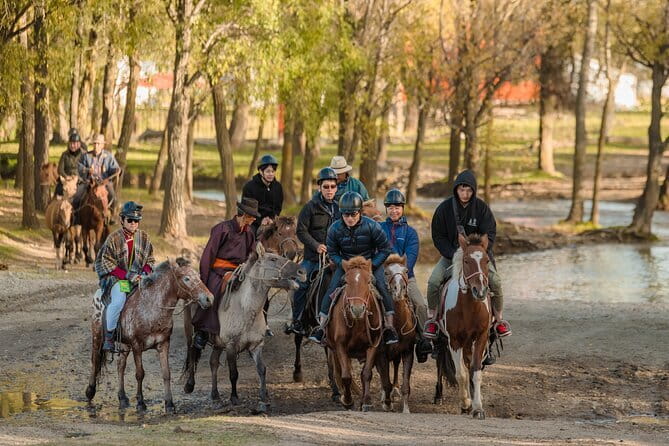
A trip like this lives or dies by how the group is handled. The guide/cook role is a big deal. You’re not traveling with a guide who only narrates. You’re traveling with someone who also helps manage food, timing, and comfort.
One of the praised strengths in the tour’s feedback is how helpful and organized the staff is. The name Jigden comes up as someone who was patient and accommodating during planning and even offered advice when travelers were coming from overland routes. That kind of support matters for a Gobi tour because things like timing, preparation, and expectations can make or break your first two days.
Also, having a maximum group size of 12 travelers helps keep the pace humane. In the desert, too many people can turn every stop into a traffic jam. Smaller groups usually mean you get to move through viewpoints without feeling rushed.
If you care about learning, this tour is set up for it. It’s not just “look and go.” You have a guide who can connect what you’re seeing to broader history and culture, and that makes the trip feel less like sightseeing from a bus and more like understanding a place.
Getting Ready: Fitness, Clothes, and the Reality of Dune Walking
The tour explicitly expects strong physical fitness. That doesn’t mean you need to be a marathon runner, but you should be comfortable with outdoor walking, uneven footing, and the physical effort of climbing up sandy slopes. The dune hike and climb day is the main test.
For clothing, think layers. The Gobi can swing, and even when days feel warm, mornings and evenings can feel cooler. Bring wind-friendly outer layers since dunes and open areas can be gusty.
Footwear is also key. You’ll want shoes that handle sand and walking for long stretches. If your shoes are thin or slippery, it will show up fast on dune days.
One more readiness tip that helps: keep your sun protection consistent. Desert travel can trick you into underestimating how strong the sun feels once you’re away from cities. Hat, sunglasses, and sunscreen are your basic trio.
The good news is that the tour includes daily drinking water and all meals, which helps you avoid the most common mistake on remote trips, trying to ration too aggressively or forgetting to drink enough.
Should You Book This 8-Day Gobi Desert Tour?
Book it if you want a guided, organized Gobi experience that covers the main “wow” stops without making you handle the hard logistics. This is especially a good fit if you like being in a small group, value an English-speaking guide/cook, and want real ger nights instead of just quick photo stops.
Skip it, or at least think carefully, if you dislike long driving days or if the idea of a dune hike sounds like a struggle rather than a challenge. This trip is physical, and the schedule is built around moving across large distances.
If you’re the type who wants big natural sights like Tsagaan Suvarga, Yoliin Am, Khongoryn Els, and Bayan-Zag, and you also want the comfort of meals and water handled, this tour is a strong choice.
FAQ
What is the duration of the Gobi Desert Mongolia tour?
The tour lasts about 8 days.
How much does the tour cost?
The price is $3,100.00 per person.
Where does the tour start, and what time?
It starts at UB City Government, CHD – 1 khoroo, Ulaanbaatar 15160, Mongolia at 8:00 am.
What group size should I expect?
The tour has a maximum of 12 travelers.
What is included in the price?
Included items are driver plus 4WD vehicle and gas, an English speaking tour guide/cook, horse riding, national park entrance fee, accommodation as mentioned in the itinerary, 1.5L drinking water per day per person, and all meals (breakfast, lunch, dinner).
Is accommodation in Ulaanbaatar included?
No, accommodation in Ulaanbaatar is not included.
Do I get park fees included for the national park stop?
Yes, national park entrance fees are included.
How physically demanding is the trip?
Travelers should have a strong physical fitness level.
What is the cancellation policy?
You can cancel up to 24 hours in advance for a full refund. If you cancel less than 24 hours before the experience starts, the amount paid is not refunded.
Latest reviews from Ulaanbaatar
- A Day Aglag Buteel Temple★ 4.5 · 3 reviews
- Nomad Family Home Stay in Arkhangai Province★ 5.0 · 3 reviews
- Private – Ulaanbaatar City Tour★ 3.5 · 3 reviews
- Transfer service to Terelj national park★ 5.0 · 3 reviews
- Essence of Mongolia 5 Days★ 5.0 · 3 reviews
- A Day Authentic Mongolian Trip near Ulaanbaatar all-inclusive★ 5.0 · 3 reviews
- Private Tandem Paragliding Experience at Bayanzurkh Mountain★ 5.0 · 3 reviews
- Private and Guided City Tour in Mongolia★ 4.5 · 3 reviews
Gobi Desert Tours, compared.
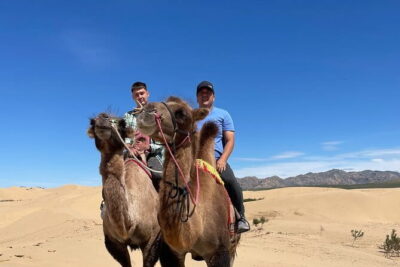
Semi-Gobi and Kharkhorum overnight private trip
Read our review →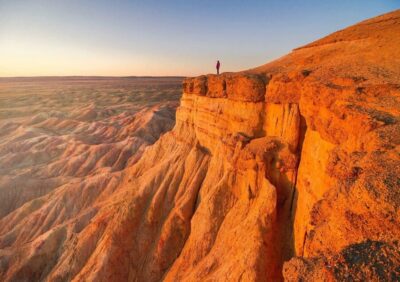
Travel to Gobi by train Visit World energy Center
Read our review →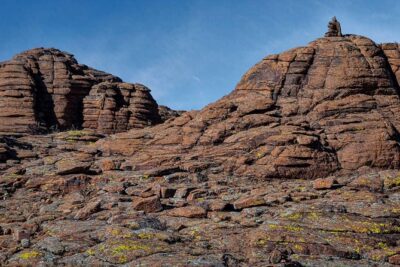
Browse the lists this tour appears in