
Reviewed · GOBI DESERT TOURS
Gobi and Grassland Mongolia 7N8D
Mongolia works best when you stop trying to plan every turn and let the days line up for you. This Gobi and Grassland 7 nights, 8 days tour from Ulaanbaatar strings together desert canyons, dune country, and greener national parks with a private guide pace that feels more personal than big-bus touring.
Two things I really like about this kind of trip: meals and lodging are included, so you are not constantly budgeting for food out in the steppe and desert, and admission fees are covered, which cuts down on stop-and-start friction. The other bonus is that small groups and flexibility show up in how the tour runs day to day.
One consideration: the experience depends on good weather, and some of the walking and longer drives mean you should be ready for cold mornings, hot afternoons, and dust. Pack smart and you will be fine, but this is not a sit-in-the-car only vacation.
Key points worth noting before you go
- Private tour feel with Woodpecker’s team and the chance to adjust the plan when the group is small
- Gobi highlights in quick succession, including Yol Valley and Khongoryn Els dunes
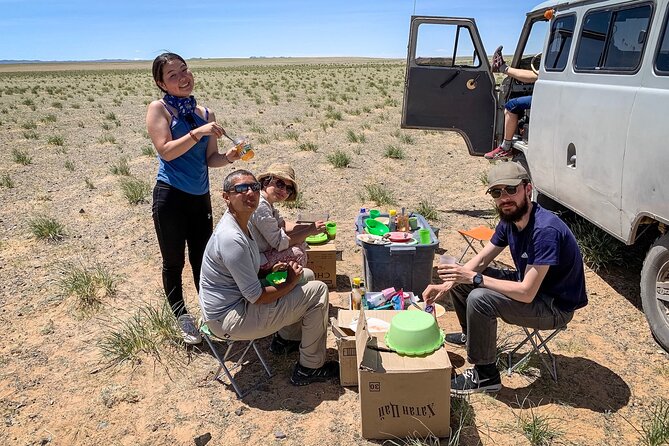
- Cultural connection time, including a nomadic-family moment arranged by guide Undral
- All fees and park admissions included, so you spend less time figuring out tickets
- Camping gear included, helpful for nights that may feel more outdoors than hotels
- Terelj and Hustai National Parks at the end, so you do not finish only in sand and rock
Price and value: what $1,850 really covers
At $1,850 per person for roughly 8 days, this tour is priced like a full-service Mongolia outing, not a DIY backpack trip. The value is in the parts that usually cost you time and mental load: private transportation, all fees and taxes, and a package that includes all meals and camping gear.
Here is what you can expect on the inclusions side. The tour provides:
- Breakfasts: 7
- Lunches: 8
- Dinners: 8
- Camping gear (so you are not scrambling to rent or buy basics on arrival)
What is not included is also clear: alcohol and snacks. That is common in Mongolia, and it also means you can choose your own treats without the tour pricing tacking on a mark-up.
Is it pricey? If you try to organize transport, admissions, guides, and meals yourself across remote regions, the costs and stress add up fast. For a first-time trip, this price starts to look fair when you compare it to the real effort of building the same route from scratch.
More Gobi Desert expeditions:
- Ulaanbaatar: Semi-Gobi Desert Day Trip & Camel Ride
★ 4.0 · 92 reviews - From Ulaanbaatar: Semi Gobi, Nomads, Ancient Kharkhorin Tour
★ 4.6 · 84 reviews - 1 Day Semi-Gobi All-included tour
★ 4.0 · 69 reviews
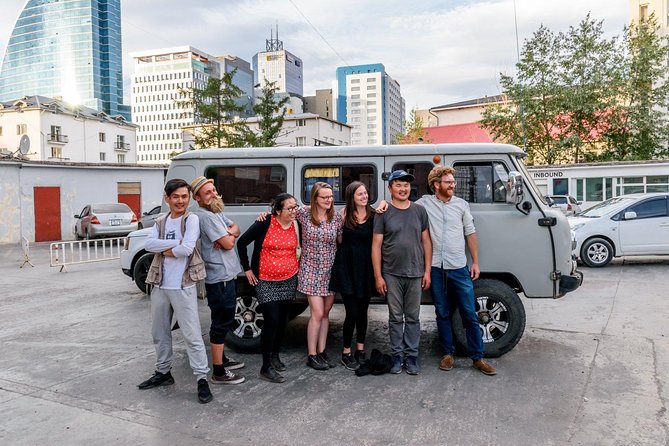
The private tour setup with Woodpecker’s guides and flexible timing
This is a private tour in the sense that it is run for your group, not shared with strangers in the same vehicle schedule. The provider is Woodpecker’s tours, and the travel style shows up in the way the trip can flex when the group size is small.
A real highlight in the guide experience comes through with Undral, described as attentive and thoughtful, especially in the way he connected people with nomadic families and arranged a brief, real-feeling encounter rather than a quick photo stop. That kind of human detail matters in Mongolia, where much of the culture is about everyday living and respect for space.
Practical note: this is also a tour where timing and weather can shape what feels easy. If conditions are right, you get the best mix of viewpoints and walking. If conditions are rough, expect the day to stay functional but feel more constrained.
Day 1 in Baga Gazariin Chuluu: caves, granite, and altitude
Your first stop is Baga Gazariin Chuluu, about 60 km northwest from Mandalgobi town. This area is known for secret caves and dramatic granite rock formations. It sits at around 1,751 meters above sea level, which means even if the sun is out, mornings can feel brisk.
What makes this start work well is that it sets the tone fast. You are not only visiting a viewpoint. You are getting your bearings in a place where rock shapes tell their own story, and where the caves add a little sense of mystery without turning the day into an all-out expedition.
Possible drawback: cave areas can mean uneven footing, and with altitude, you may notice you catch your breath a bit faster than at home. Wear grippy shoes and do not over-plan your day with extra side trips.
Day 2 near Ulziit sum: Tsagaan Suvarga’s white limestone tower
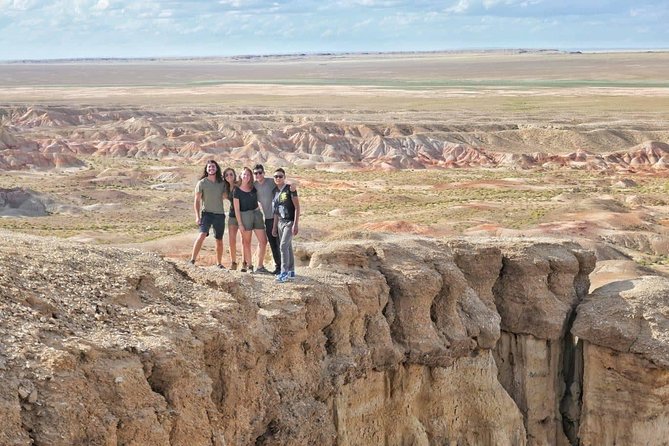
Day 2 centers on Tsagaan Suvarga, a white limestone rock said to be about 30 meters tall and shaped by wind and water erosion. This is one of those Mongolia sights that looks almost engineered by time, because the form is so odd and so specific.
The details that make Tsagaan Suvarga interesting are the origin clues. Local research mentioned a symbol carved in 2000, which adds another layer beyond pure geology. It is a reminder that these places are not only “old rocks,” they are part of modern human meaning too.
Time on this stop is around 6 hours, so it is not a quick stop. Expect time for photos, walking around the base area, and taking in how the light hits the limestone.
What to watch for: this is an exposed area, so plan for wind. If it is breezy, bring layers and protect your face and eyes.
More days out of Ulaanbaatar to weigh
- From Ulaanbaatar: Genghis Khan Statue NationalPark CamelRide
★ 4.8 · 353 reviews - Genghis Khan Statue Day Tour+National Park+Camel Ride+Eagle
★ 4.5 · 261 reviews - From Ulaanbaatar: Central Mongolia Guided 3-Day Tour
★ 4.6 · 186 reviews - Ulaanbaatar: Small Group 3-Day Best of Central Mongolia Tour
★ 4.1 · 171 reviews
Days 3 to 4 in the Gobi: Yoliin Am eagle valley and Khongoryn Els dunes
This is where the Gobi starts feeling real, fast.
Day 3: Yoliin Am canyon in eagle valley
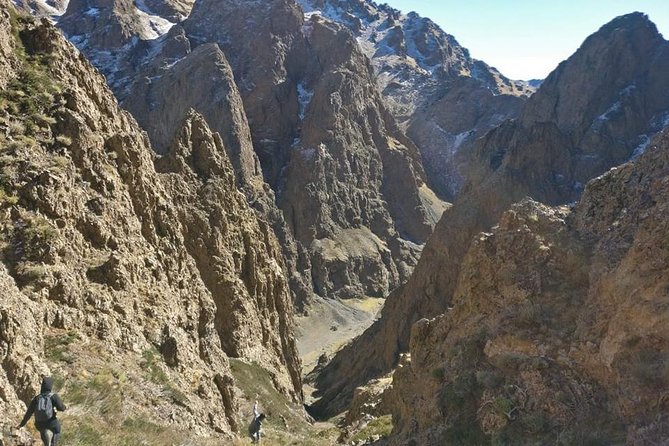
On Day 3, you visit Yoliin Am, a narrow canyon often called Eagle valley. Vulture sightings are part of why people come, and the canyon shape creates a long, dramatic feel even when the surrounding horizons look wide and empty.
The attraction here is contrast. The canyon walls make the world feel compressed and shaded, while beyond them you can see open desert stretching out. Yoliin Am is described as having exotic views of desert horizons, with rare mammals and plants mentioned as part of the ecosystem.
Practical angle: canyon days can mean cooler air at the bottom than on exposed ridgelines. Bring a layer you can add or remove without wrestling with your pack.
Day 4: Khongoryn Els and dunes that change by hour
Day 4 includes Khongoryn Els. You spend time around Yol Valley again in the morning and then shift toward dune country. The itinerary framing suggests a short hike feel, with time watching birds like vulture. Many people compare Yol Valley to parts of the Alps, which tells you the canyon scale can surprise you.
Then comes the dune segment. Khongoryn Els is famous for being visually intense, with sand shapes that change as the light moves. It is the kind of place where you stop taking photos and start just looking, because the colors and curves are the main event.
Possible drawback: dunes mean wind and sand. If you have sensitive eyes or hate dust, bring protection and take breaks. Also, pace yourself. Walking in sand is different from walking on trails back home.
Day 5 Bayanzag Saxual Forest: sunrise time and a morning movement option
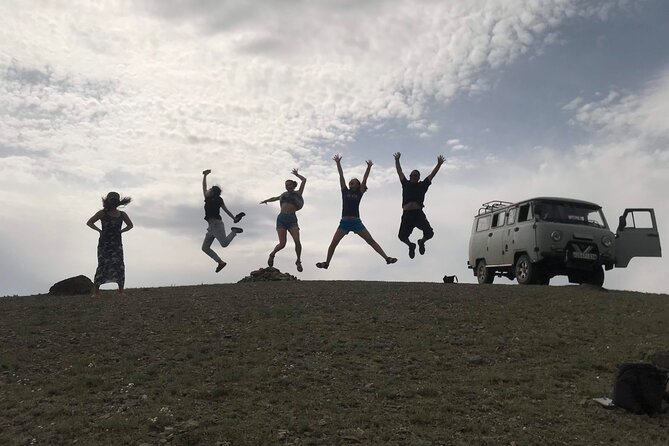
Day 5 takes you to Bayanzag Saxual Forest. The big pitch here is the early start. The plan includes sunrise, and there is mention of doing Yoga during the morning downtime.
Even if you do not practice yoga, I like this kind of morning structure on a desert trip. It gives your day a rhythm instead of just a string of viewpoint photos. Sunrise light can also make rock and sand tones look richer, and your body tends to handle desert temperatures better before noon.
One thing to keep in mind: early mornings in Mongolia can be cold. Even if you are used to warm travel climates, bring something that works for both cool air and later heat.
Day 6 leaving the Gobi: the Artsbogd drive and a picnic as the bridge
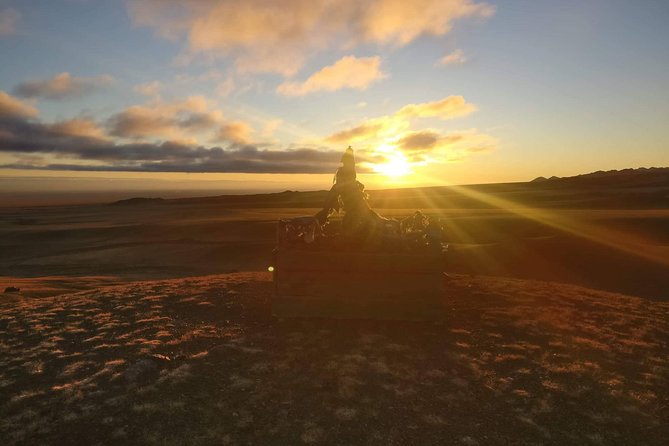
Day 6 is your transition day. You move from the Gobi into Mongolian grassland, driving through Mountain Artsbogd. The plan describes the change as arriving at the grasslands after the desert, with a promised shift in scenery and a picnic in between.
This is a smart way to structure the trip. If you go straight from dunes to forest without a transition, it can feel like you missed the story. Here, the day acts like a hinge, with the drive doing some of the sightseeing work and the picnic giving you a calmer break.
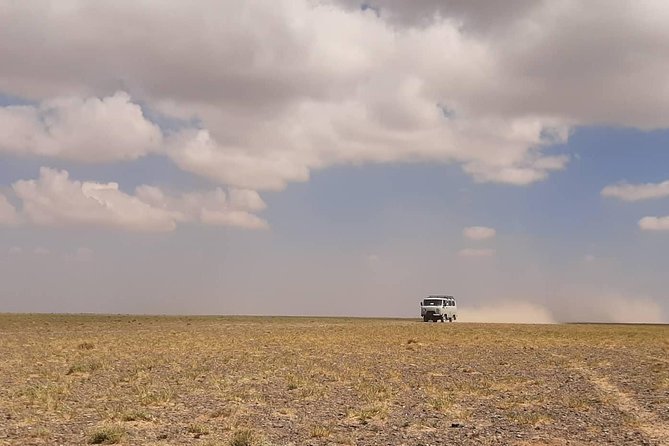
What to expect: long drives, changing views, and fewer “stop, take photos, move on” moments. It feels more like travel through the country than just travel to sites.
Days 7 to 8 in national park country: Terelj’s yaks, rivers, and Hustai’s rider statue
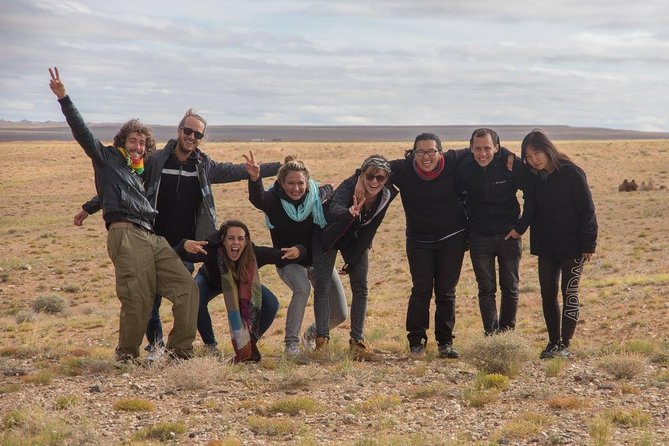
After sand and canyon days, the last two days shift you into greener, more grounded scenery.
Day 7: Gorkhi-Terelj National Park and the more forested feel
In Gorkhi-Terelj National Park, you get yaks, rivers, forest, and mountains. The note is that Terelj feels more friendly and greener than the desert days.
This works for a lot of people because it brings balance at the end of the trip. You get more variety in what your eyes see, and the walking feels more like classic nature travel instead of desert survival mode.
Practical note: even in the “greener” part of Mongolia, you are still in Mongolia. Layers and good shoes still matter, and you will likely be outside for long stretches.
Day 8: Hustai National Park and the big rider statue
The final day is Hustai National Park, with the highlight described as the biggest rider statue in the world and the surrounding park beauty.
It is a fitting close. After several days of rock, sand, and canyon shapes, you end with a clear focal point and a broader park setting where you can keep taking in the vastness without the same desert intensity.
If you like your last day to feel lighter and reflective, this is a decent fit. The timing described for this day is about 5 hours at the stop.
What I think about the accommodation style and daily pace
The tour includes meals and camping gear, so you should expect a mix of practical travel nights. The vibe described in the provider’s wider style is warm and “temporary home” feeling, with wooden-room and hostel-like warmth in some setups. That is not a promise for every night, but it does match the overall tone of a trip that handles essentials for you without pretending Mongolia is a city resort.
Daily pace is jam-packed, but in a good way, meaning you are not wasting days driving without seeing anything. Still, it is not a slow spa tour. You are out for hikes and viewpoint time, then back for meals and rest.
A smart way to handle the pace:
- Keep your daypack light
- Wear shoes you can walk in for hours
- Plan to dry out layers and keep water handy when offered
Who this tour is best for, and who might want a different plan
This tour fits you if you:
- Want a first-time Mongolia route that covers both the Gobi and the grasslands
- Like nature and also want culture through people, not just monuments
- Prefer a guide handling the driving, admissions, and meal plan
- Enjoy a mix of walking and scenery, with stops that actually take time
You might want a different option if you:
- Want mostly hotel-style comfort every night and short days only
- Hate early starts and cold mornings
- Are looking for a trip with lots of free time in cities, because most of the itinerary is built around daily sightings
Should you book this Woodpecker private Gobi and Grassland tour?
If your goal is to see a big chunk of Mongolia without turning your vacation into project management, this tour makes sense. The biggest strengths are the range (Gobi caves and canyons, dunes, then grassland and national parks), and the way logistics are handled for you with private transportation, admission fees, and all meals.
The small-group feel is a real plus. When the group is small, the plan can feel more responsive, and you can get more out of the guide connection, like the nomadic-family time arranged by Undral.
The main reason not to book is simple: it is weather dependent and physically active enough to require real packing and footwear. If you are okay with that, you will likely love how quickly Mongolia goes from photos to lived-in memory.
FAQ
FAQ
How long is the Gobi and Grassland Mongolia tour?
It runs for about 8 days (7 nights).
Where does the tour start, and is pickup offered?
It begins in Ulaanbaatar, and pickup is offered.
Is this a private tour or a shared group tour?
It is a private tour/activity, meaning only your group will participate.
What meals are included?
Lunch is included for 8 days, dinner is included for 8 days, and breakfast is included for 7 days.
What is included in the trip besides meals?
The tour includes camping gear, private transportation, and all fees and taxes.
What is not included?
Alcohol and snacks are not included.
What if weather is poor or the minimum number of travelers is not met?
This experience requires good weather. If it is canceled due to poor weather, you are offered a different date or a full refund. If the minimum traveler requirement is not met, you are offered a different experience or a full refund.
What is the cancellation rule for a full refund?
Free cancellation is available up to 24 hours in advance of the experience’s start time for a full refund. If you cancel less than 24 hours before, the amount paid is not refunded.
Latest reviews from Ulaanbaatar
- A Day Aglag Buteel Temple★ 4.5 · 3 reviews
- Nomad Family Home Stay in Arkhangai Province★ 5.0 · 3 reviews
- Private – Ulaanbaatar City Tour★ 3.5 · 3 reviews
- Transfer service to Terelj national park★ 5.0 · 3 reviews
- Private Tandem Paragliding Experience at Bayanzurkh Mountain★ 5.0 · 3 reviews
- Essence of Mongolia 5 Days★ 5.0 · 3 reviews
- A Day Authentic Mongolian Trip near Ulaanbaatar all-inclusive★ 5.0 · 3 reviews
- Private and Guided City Tour in Mongolia★ 4.5 · 3 reviews
Gobi Desert Tours, compared.
Semi-Gobi and Kharkhorum overnight private trip
Read our review →
Travel to Gobi by train Visit World energy Center
Read our review →
Browse the lists this tour appears in