Reviewed · HORSEBACK RIDING TOURS
Mongolia Nomad Trek • On-Foot & Horseback ~ 15 Day
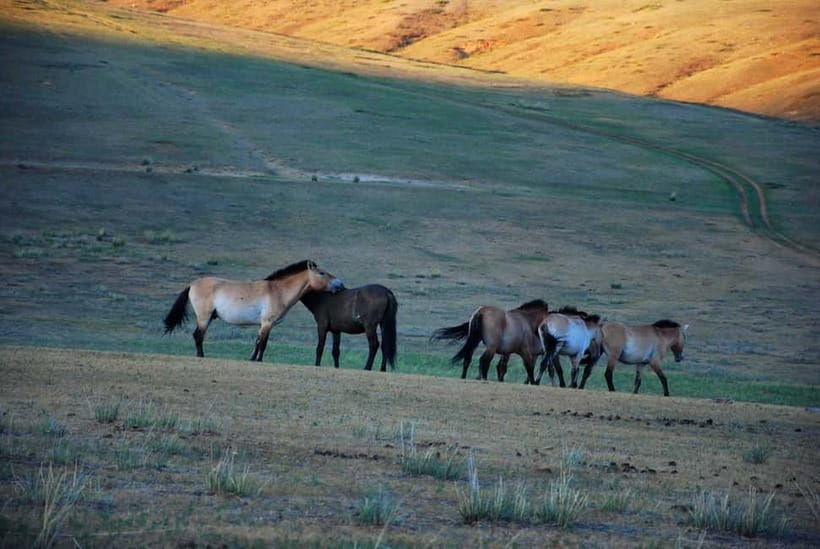
This trek is interesting because you are moving through Mongolia’s Altai border country with a mix of on-foot days and horseback days, plus a real dose of living nomad culture. You start in Ulaanbaatar, then fly west to Bayan Ulgii and settle into a nomad rhythm, with camp life, river valleys, mountain passes, and the big open steppe.
What I like most is the leadership from Eddie Frank, who builds in riding instruction so you are not just along for the ride. I also like that the route is not a single-note “horse tour,” you hike steep passes too, and you camp in places like Khoton Nuur and Tsagaan Gol that feel remote in a good way. One drawback to consider is the physical side, you need strong fitness because the trek includes real altitude days and long walking hours.
Key things that make this Mongolia Nomad Trek special

- Eddie Frank’s riding focus, with clinics and beginner basics so you can get comfortable in the saddle
- Horse-and-hike mix across river valleys, gorges, and passes, so you experience the Altai in more than one way
- Nomad culture with real events, including Kazakh eagle hunters, Ger visits, and horseback games like Tusker Nadaam
- World-scale rock art at Tsagaan Gol, including petroglyphs tied to images dating back about 11,000 years
- High-altitude glacier country, including a day over frost-heaved terrain toward Potanin Glacier and views near Khuiten Peak
Ulaanbaatar warm-up: theatre night and cashmere shopping before the Altai

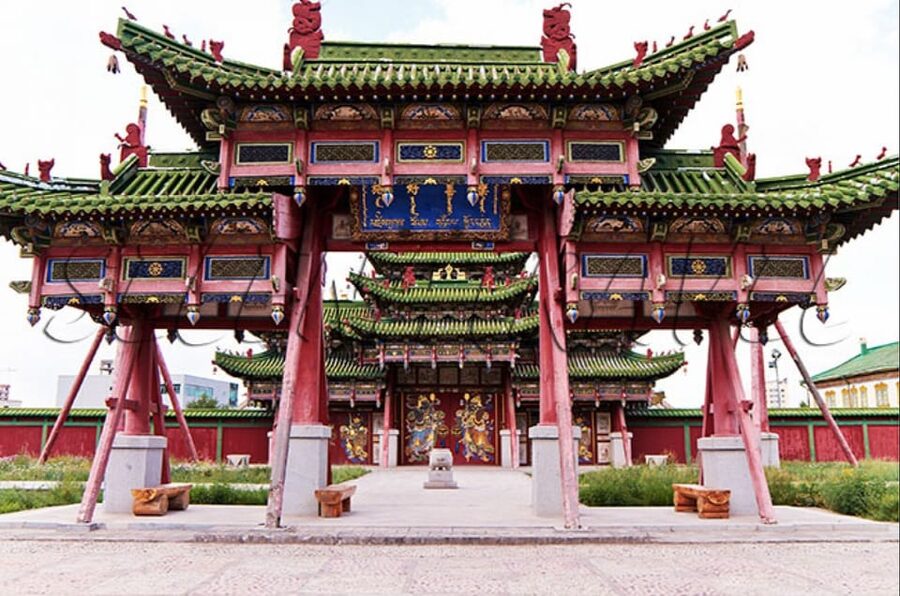
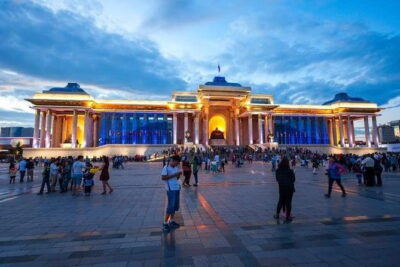
Your trip starts in Ulaanbaatar, often called UB, where you meet your Mongolian guide and sleep at the Tuushin hotel for two nights. This is a useful buffer city day, not just a waiting room, you can relax, get your bearings, and sort out what your body needs before the western mountains.
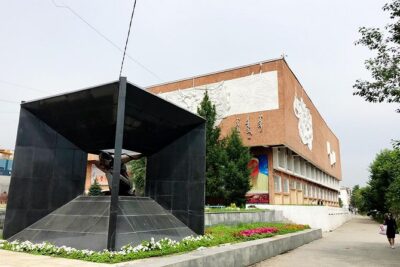
On discovery day, you choose how to spend your time, with options like restaurants and street food stands, museums, and shopping known for cashmere. In the evening, your guide takes you to the national theatre for a cultural show with colourful costumes and music tied to ancient Mongolian history.
The practical value here is pacing. After the flights and travel energy, you get a structured cultural night and still have daytime freedom, which helps if you have different comfort levels with long itineraries.
More days out of Ulaanbaatar to weigh
Getting west to Bayan Ulgii: flights, Ger camp life, and meeting Kazakh eagle hunters

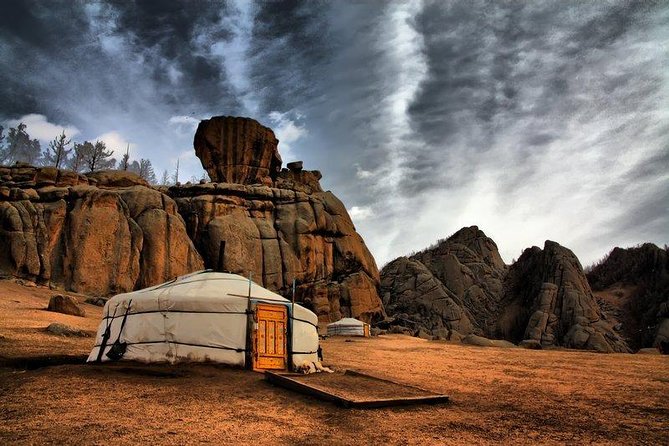
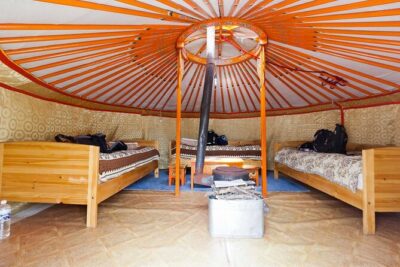
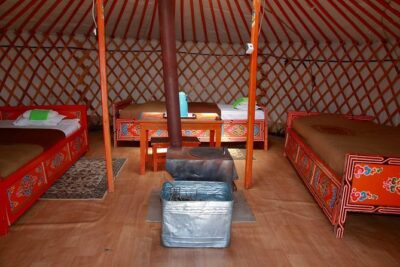
Day 3 is the move to western Mongolia, with a 3-hour flight to Bayan Ulgii. Once you drop gear at the Ger camp, you have time to explore the local outdoor market and try to find Kazakh eagle hunters for an up-close encounter with their birds of prey.
This part matters because it sets the cultural tone early. The Kazakh eagle hunting tradition is a living practice in this region, and it connects you to the borderlands lifestyle where people still depend on animals, weather knowledge, and skill.
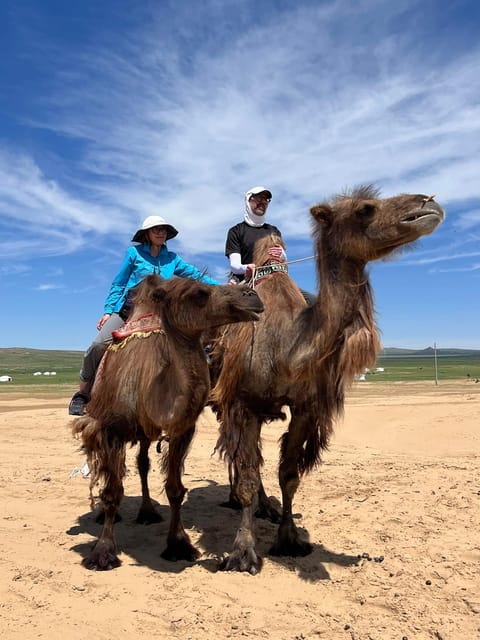
Then comes a key logistics detail for the trek ahead. You shift your clothing and gear into waterproof Tusker duffels. That is there for a reason, the expedition gear gets moved onto camels, so keeping items dry and packable helps you avoid chaos later.
Khoton Nuur lakeshore camps: your first riding day and Tusker Nadaam on horseback

You reach Khoton Nuur after a long drive southwest, passing through Tsengel, crossing the Khovd River, and setting up camp on the lakeshore for two days. This is where your trek really begins, and it also where you learn the baseline horse routine in a slower setting.
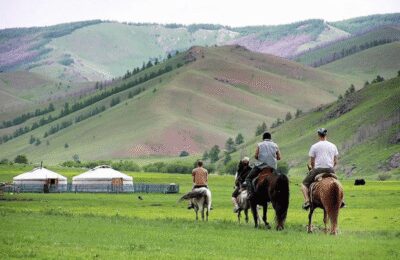
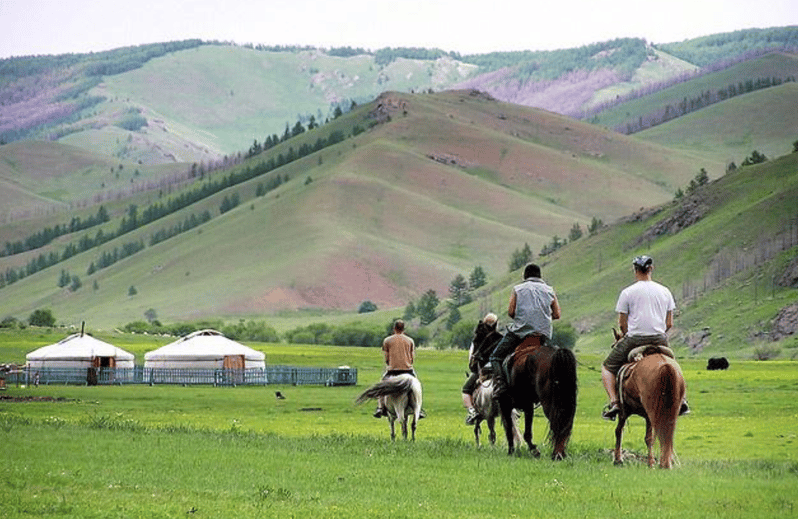
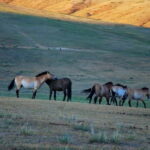
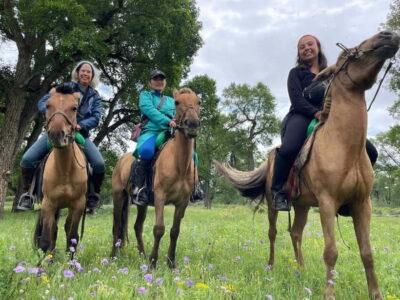
On your first Khoton Lake riding day, Eddie gives riding basics using the Australian saddles. If you have never ridden, this is the kind of “get your legs working” start you want, because you are not thrown into speed before you understand steering, balance, and how to sit through bumps.
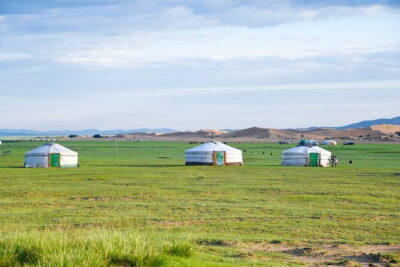
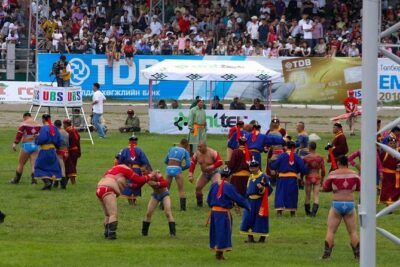
After a slow ride in the forested area above the lake, you visit local Kazakh nomads in their Gers. You also attend nomadic horse games, called Tusker Nadaam, a Tusker tradition that ties the day together with real horsemanship and local celebration. For a practical souvenir idea, the local women bring out handmade crafts that make good gifts back home.
A possible drawback here is that you will likely feel your legs starting to wake up. Even slow rides can be surprisingly tiring at first, so plan to stretch and treat soreness as normal.
River valleys and alpine forest: why the on-foot days feel like a different trip
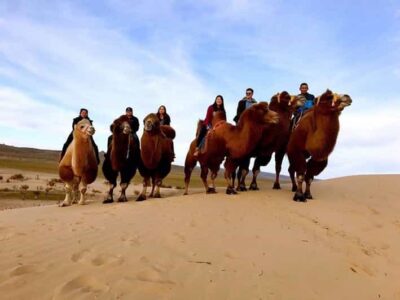
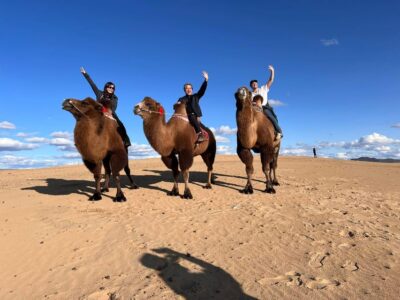
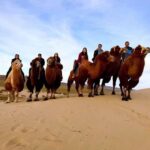
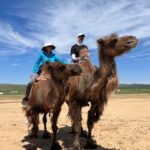
After the first riding days, the expedition shifts into a rhythm where your crew loads up camels and you trek through the alpine forest heading north. Some days are longer on foot, and others mix walking and riding depending on terrain.
On the way through the Altai, you are constantly reading the river system. The Tsagaan Us River flows from the Tavn Bogd glaciers through the heart of the Altai Mountains, and the route repeatedly tracks these waterways. That is how you move through glacial history without needing a lecture, the benches around Khoton Lake hint at ancient lake levels, likely from glacial dams that built up and broke away.
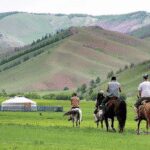
On Day 7 you cross to the east side of the Tsagaan Gol River and keep going up through the valley, setting camp on Cheben Hill above grassy plains with a few Ger camps and goats below. It is cool and tranquil up there, and that change from valley movement to hill camp is a smart break for your mind.
On Day 8, you descend Cheben Hill toward the mouth of the river gorge and trek up the gorge on the eastern bank. Riders go along the banks, and hikers often go higher because flooding can make lower sections tricky. When terrain changes like this, you learn what “flexible travel” means, the day adapts to water and footing.
A different route out of Ulaanbaatar:
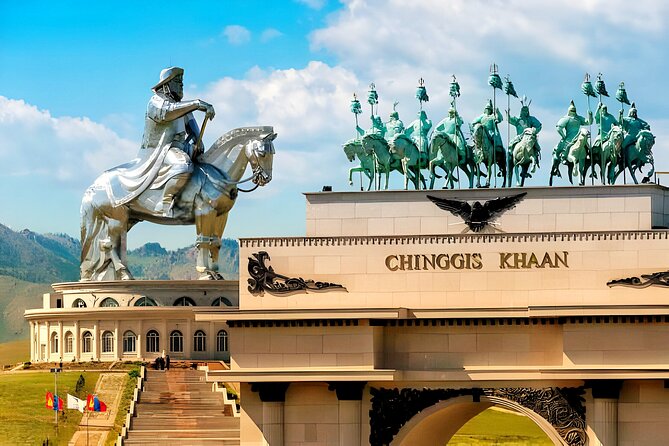
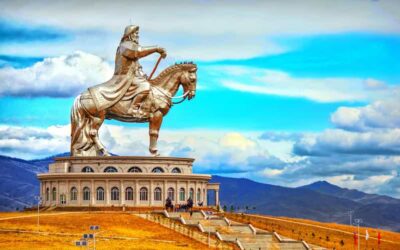
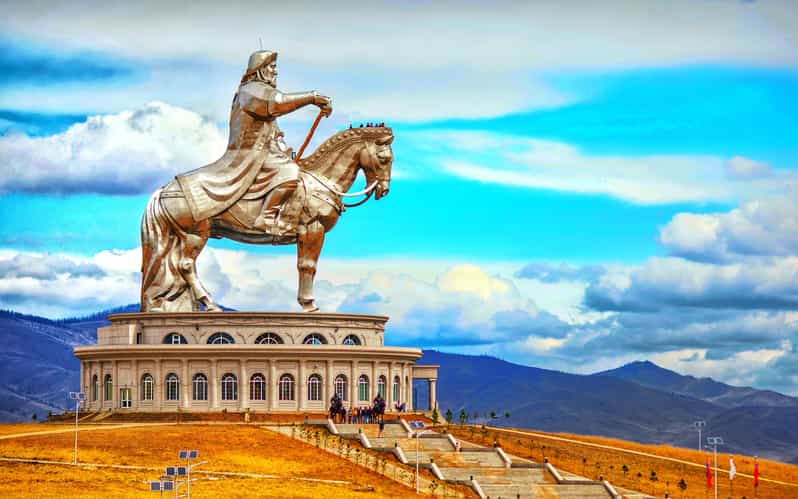
- From Ulaanbaatar: Genghis Khan Statue NationalPark CamelRide
★ 4.8 · 353 reviews - Genghis Khan Statue Day Tour+National Park+Camel Ride+Eagle
★ 4.5 · 261 reviews - From Ulaanbaatar: Central Mongolia Guided 3-Day Tour
★ 4.6 · 186 reviews - Ulaanbaatar: Small Group 3-Day Best of Central Mongolia Tour
★ 4.1 · 171 reviews
Cheben Hill to the 10,350 ft pass: gorges, snow possibilities, and steep moments

Day 9 is a big step because you are heading toward a mountain pass, with spectacular views over the Sheveet Uul gorge on the other side. You ascend up to a 10,350 ft pass, which is the kind of elevation where pacing matters. If there has been precipitation, you might hike through snow and need to dig a path through, so good shoes and staying calm are key.
After descending a steep incline on foot, you set up camp at Sheveed Uul Gorge. This kind of camp placement is why this trek feels special, you are not only chasing peaks, you are spending nights where the views stay wide and dramatic.
On Day 10, you head downhill and stop at a small Ger community to visit local Tuvan people who follow traditional shamanistic beliefs. This is not just a photo stop, it is a cultural moment where worldview and tradition are part of everyday life. Then you reach lunch and a major history hit, ancient petroglyphs.
Tsagaan Gol petroglyphs: 11,000 years of rock art you can actually stand beside
At the lunchspot on Day 10, you find petroglyphs from the Mongolian Altai, described as some of the largest, oldest, and most pristine concentrations of rock art in North Asia. The earliest images are about 11,000 years ago, and the art continues into the 9th century.
These are not carved decorations for a museum case. You are seeing ancient cultural landscapes on rock in the same kind of region where people still live with animals and weather knowledge. It makes the trek feel longer in the best way, like you are traveling through time, not just distance.
After the petroglyph stop, you descend into the Tsagaan Gol river valley and camp for two nights with glacier and peak views in the distance. This is one of those “stop and let it register” stretches where the daily schedule gives you time to look up and keep looking.
Rest day on a blue plateau and the Potanin Glacier climb
Day 11 is a rest day, and it is not a throwaway day. You take a scenic hike to a beautiful blue lake hidden on a plateau a few miles from camp, plus you have time to do laundry and truly relax.
That laundry piece is more valuable than it sounds. Longer multi-day trips work best when you can reset your socks, base layers, and sleep comfort, especially when mornings turn cool.
Day 12 is where things get more serious. You trek over frost-heave uphill to the Potanin Glacier of the Altai Tavn Bogd. The glacier sits at the foot of Khuiten Peak, the highest point in Mongolia at 14,350 ft. Nearby, Nairamdal Peak marks a triple border point shared by Mongolia, Russia, and China at 13,392 ft.
This area sits above treeline, where animal species have fewer options and the terrain becomes tundra and lichen-covered rocks with alpine meadows and high mountain swamps. Expect a different feel under your feet, more variation, more wind, and less cover.
Tavan Bogd national park gate: last trail day, final horse run, then back to Bayan Ulgii
On Day 13, you leave the Tavn Bogd peaks behind and drive for 6 to 7 hours to the ranger station gate to the national park. This is your last day on the trail, and it is also your last chance to give your horse its head and have a nice run.
You unload the camels and meet vehicles, heading back to Bayan Ulgii. Then you sleep at the Ger camp, which closes the expedition loop neatly, you start with Ger camp life and end with it too.
Day 14 brings the return to Ulaanbaatar with a 3-hour flight to Ulaan Bataar and an overnight at the Tuushin hotel. This time, you have a night out on the town, which is a good reward after days of camp meals and cold air.
What $8,250 buys: private style, meals, and where value comes from
The price is $8,250 per person for about 15 days. That sounds steep until you look at what is being packaged: remote movement across western Mongolia, multiple nights in camp style settings, and a structured mix of hiking and horseback travel led by Eddie Frank.
What is included is substantial for a remote trip: private transportation, plus 13 breakfasts, 13 lunches, and 13 dinners. You are also offered a pickup and a mobile ticket, which helps you avoid some of the usual admin friction.
What is not included is also clear, travel fees from your home origin to and from Mongolia. That is normal for international adventures, but it is the big swing factor in your real total cost.
In plain terms, you are paying for two things that are hard to do cheaply: competent leadership in remote terrain and animal-powered travel logistics that keep the expedition moving.
Who this Mongolia Nomad Trek suits best
This is built for people with strong physical fitness, because you will do long walking days and deal with high altitude passes and steep descents. If you already ride confidently, you will enjoy the runs and games, but even beginners can fit in thanks to Eddie’s riding basics and clinics.
I also think this trek works for small group travelers who like real culture time, not a checklist. You get theatre in Ulaanbaatar, nomad visits in Gers, and horse games with Tusker Nadaam, plus you stand near ancient petroglyphs instead of only hearing about them.
If you hate uncertainty, rough timing, or cold weather, you might find the mountain environment frustrating at times. But if you like learning by doing, and you can handle some discomfort for big views, this is a strong match.
Should you book Mongolia Nomad Trek with Eddie Frank?
Book it if you want an Altai adventure that mixes horseback skill building with serious trekking, and if you value cultural moments like Kazakh eagle hunters, nomad games, and shamanistic community visits. The route is structured enough to feel guided, but wild enough to feel like you truly left the usual trail.
Hold off if you are mainly looking for comfort, short days, or minimal altitude. This trip is for active people who can take long hours in wind, cool nights, and steep terrain in stride. If that sounds like you, this is the kind of Mongolia trip you will still talk about years later.
FAQ
How long is the Mongolia Nomad Trek, on-foot and horseback?
It is about 15 days.
Where does the tour start?
The start point is Buyant Uhaa Airport in Ulaanbaatar, with a start time listed as 12:00 am.
Is this tour private or shared with other travelers?
This is a private tour/activity, only your group participates.
What travel style and activities are included?
It is an on-foot and horseback trek, with the chance to hike trails and ride horses through river valleys, mountain passes, alpine areas, and steppe.
Do I need prior horseback riding experience?
No, riding basics are included, and Eddie Frank provides riding clinics and helps you get comfortable in the saddle.
What meals are included in the price?
The tour includes 13 breakfasts, 13 lunches, and 13 dinners.
What if weather is poor?
The experience requires good weather, and if it is canceled due to poor weather you will be offered a different date or a full refund.
Latest reviews from Ulaanbaatar
- 2 Day Central Mongolian Adventure★ 4.5 · 4 reviews
- 4 Day Central Mongolia★ 5.0 · 4 reviews
- Know your future with Mongolian Shaman (online or in person)★ 5.0 · 4 reviews
- The Land Of Eagle Hunters★ 5.0 · 4 reviews
- 6 Days Color of Gobi Desert★ 5.0 · 3 reviews
- 6 Days Gobi Desert Tour with complimentary airport pickup★ 5.0 · 3 reviews
- 14 days Combination of Gobi and Central Mongolia★ 5.0 · 4 reviews
- 7 days Great Gobi Tour★ 5.0 · 4 reviews
Horseback Riding Tours, compared.

Terelj National Park: Tour with horse riding and hiking
Read our review →
Horse riding experience in Terelj National park 1 day
Read our review →
MONGOLIAN NOMADS: 2-Day Horse Trekking & Cow Milking Tour
Read our review →
Full Day Private Tour in Terelj National Park with Horse Riding
Read our review →
1 Day Semi-Gobi Tour with Lunch And Enjoying Camel or Horseback
Read our review →Browse the lists this tour appears in